About Noelle
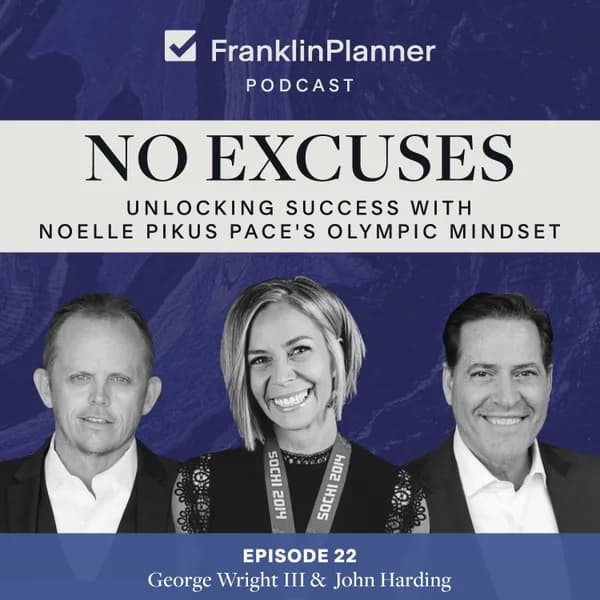
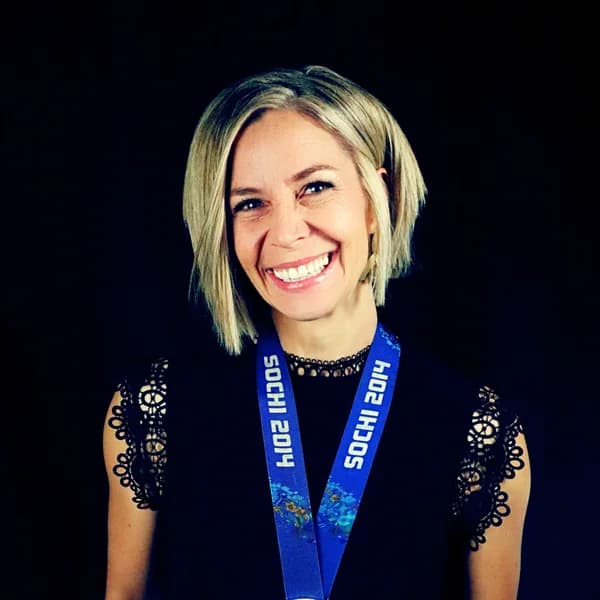
Noelle Pikus Pace is an Olympic silver medalist in skeleton, a two-time world champion, a 26-time World Cup medalist, and the bestselling author of No Excuses. She spent 15 years in a sport she was, in her words, tricked into: a high school track coach sent her to try bobsled, the program lost its funding a year later, and the coaches handed the athletes a sled and told them to go headfirst for a couple of weeks. The funding never came back, and she stayed. Today she speaks to organizations, leaders, and individuals about rising above adversity and pursuing meaningful goals with discipline and intention.
Her story runs through three Olympic moments. In 2005 she was ranked first in the world, months from her first Olympics, when a bobsled flew out of the track and shattered her leg. In 2010 she returned as a new mother and finished fourth, a tenth of a second off the podium, and later learned from the race film that her dragging shoelaces may have cost her the medal. In 2014 in Sochi, on a sled designed and built by her husband, Janson, with their kids ages six and two along for the travel, she crossed the line with silver and jumped into the stands to reach her family. She wrote No Excuses from the family's 1999 motor home.
On The Franklin Planner Podcast, Pikus Pace talked with host George Wright III about what happened between the injury and the Sochi podium, and the no-excuses mindset she built along the way. She explained the difference between a lifelong purpose and purpose in real time, why every rebuild starts with a choice in the next 60 seconds, and how she defined success before her final run so that she won silver rather than lost gold. She also laid out her Friction Factor bell curve and the corner four diagnostic she learned from crashing repeatedly at Park City.
Key ideas from Noelle’s conversation
Know your purpose before the setback tests it, because your career does not define you.
The summer before her 2005 injury, Pikus Pace wrote out a list of why she was competing. She believes that without that reflection the accident would have crushed her. Purpose has layers: a lifelong purpose that withstands time, and purpose in real time for today, this week, or this season.
You cannot control what happened, but you can choose the next 60 seconds.
In those 60 seconds you can make excuses, blame, avoid, procrastinate, or people-please, which she counts as an excuse too. Or you can choose to be grateful, connect, serve, and elevate. Taken 60 seconds at a time, those choices carry you where you want to go.
Legacy is built on the small things you do every day, not one big moment.
Pikus Pace finished fourth in 2010 by a tenth of a second. Months later she saw on film that her shoelaces dragged the whole mile-long run while every medal contender had zippers covering theirs. Her coach confirmed it could have cost her the medal. Ask regularly what went well, what did not, and how to be a little better.
Define success by effort and preparation before you push off, and you never lose gold.
At the start line in Sochi, Pikus Pace had let go of controlling outcomes and focused on the next corner and the next step, following her coach's instruction to be process oriented and results driven. She had decided success would not be defined by a medal color or someone else's words. That is why she says she won silver.
The pain shows up in corner 12, but the mistake happens in corner four.
Pikus Pace kept crashing in corner 12 at Park City until her coach walked her backward, corner by corner, to the real error in corner four. Burnout in the morning routine often starts with scrolling at night. Trace one persistent pain back to its earlier cause, and get a coach or mentor who can see what you cannot.